Because tropical forests store so much carbon, the whole world has a stake in protecting them. Programs that provide local people with incentives to preserve the forest can stop the massive deforestation seen in these satellite images.
Although carbon dioxide from fossil fuel combustion is the primary cause of global warming, other human activities and heat-trapping emissions are also important to the climate story. Currently, the world’s forests absorb about a third of the carbon dioxide emitted to the atmosphere by human activities. These lands also provide critical natural services to humanity and shelter much of the world’s biodiversity. But in many countries, remaining forests are being decimated by industrial logging and conversion to agriculture lands. Tropical forests are especially at risk and are being cut down at alarming rates for agricultural uses such as cattle ranching and soybean and palm oil production.
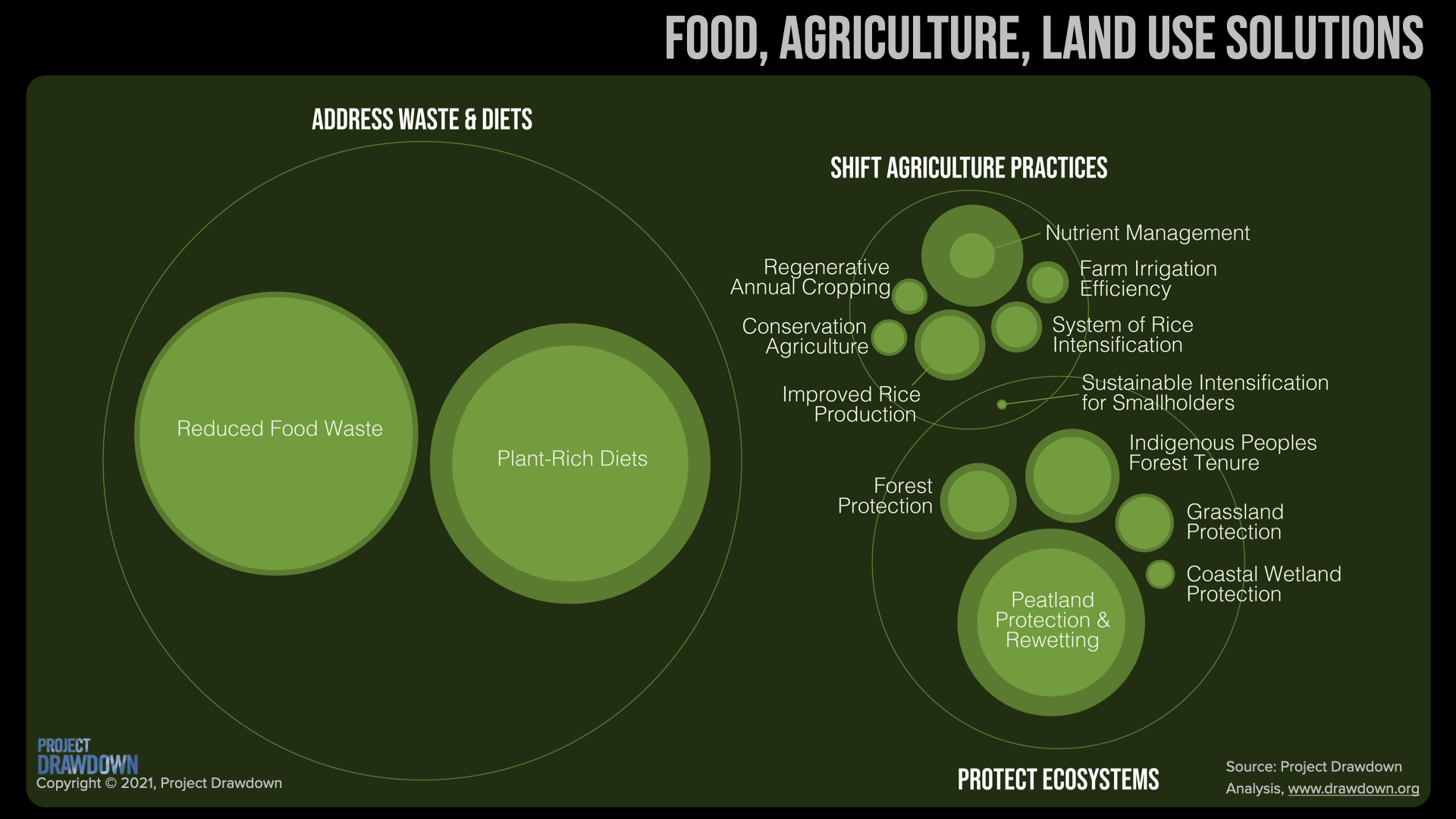
To solve this piece of the climate problem, humanity will need to end the destruction of forests and improve management of croplands and livestock. The good news is that emissions reductions through changes in land use and forestry practices are generally inexpensive, conserve soils, and boost farm income.
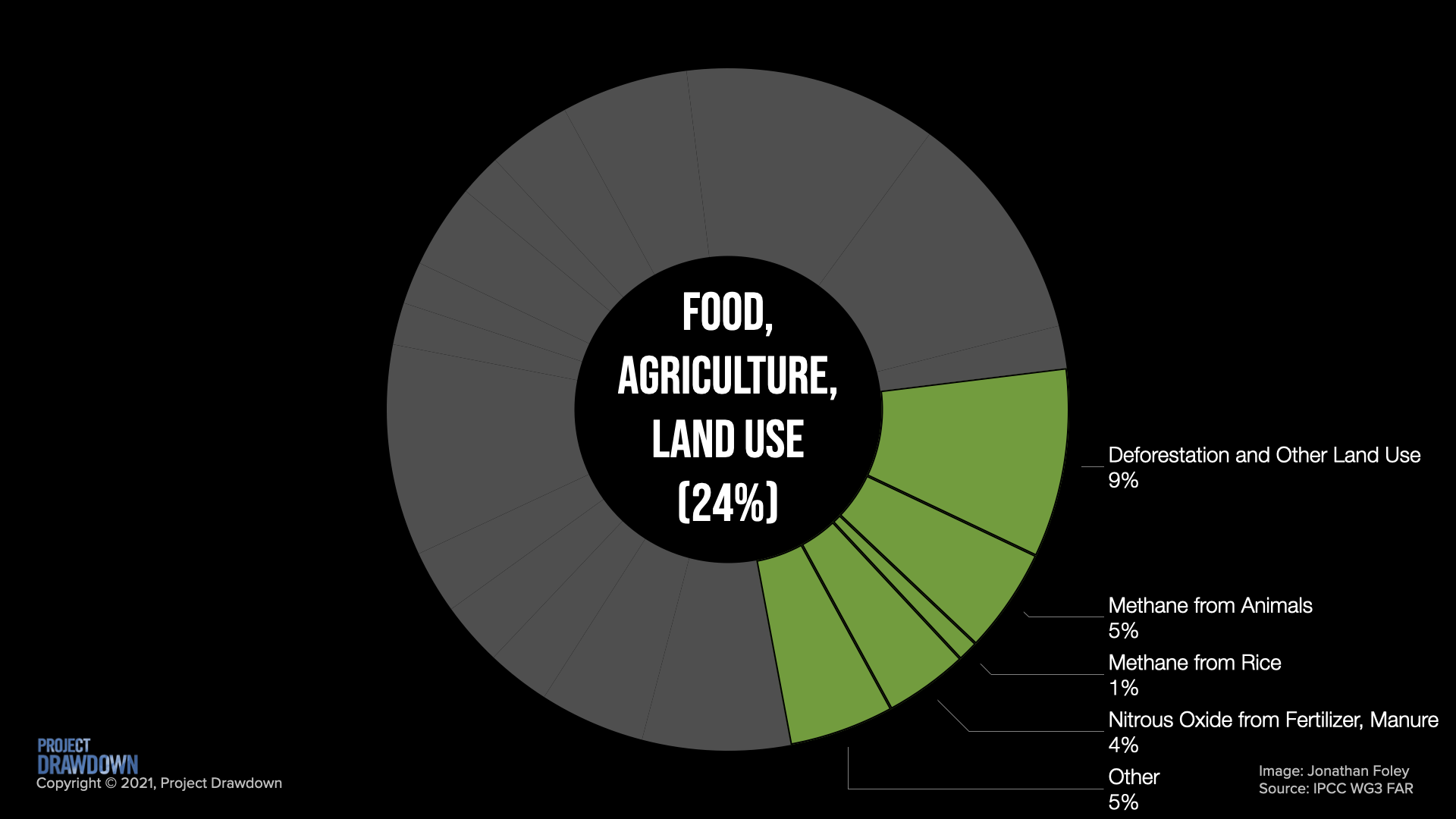
The clearcutting of forests is concentrated in about 10 nations, and accounts for about 9% of global greenhouse gas emissions. Developing equitable arrangements for forest protection is an essential part of any climate action plan. Since forest conservation is one of the largest and most affordable greenhouse gas reduction opportunities, it is a logical centerpiece of emerging international carbon offset and trading plans.
Protecting forests not only maintains their vital function as a carbon sink, it also helps preserve Indigenous cultures, biological diversity, endangered species and their ecosystems, and clean air and water.
Atmospheric concentrations of two other heat-trapping gases – methane and nitrous oxide – have also grown rapidly due to human activities. Methane is a powerful greenhouse gas, about 80 times as powerful at trapping heat as carbon dioxide over a 20-year timeframe. Methane accounts for about 30% of global warming since pre-industrial times and has been increasing rapidly. About 32% of human-caused methane emissions come from livestock, and another 8% come from rice paddies, and other agricultural activities. Human-caused methane emissions could be reduced by as much as 45% by 2030 by reducing food waste, shifting to more plant-based diets, improving agricultural practices, and other strategies.
Nitrous oxide accounts for about 6% of greenhouse gas warming. Its primary sources are agricultural soils and excessive fertilizer use, animal manure, and power plant and vehicle exhaust. There is a growing range of approaches for reducing these emissions, often at a profit. These include programs that offer Indigenous Peoples incentives to preserve local forests and rewarding farmers and ranchers for altering their agricultural practices, with the aim of reducing soil and livestock emissions.