It is not too late to avoid the worst impacts of climate change, if we act rapidly and decisively to cut the emissions that are warming our planet. But what would that look like?
It comes down to three major things: phase out fossil fuels, deploy clean energy, and protect the world’s forests and other natural ecosystems.
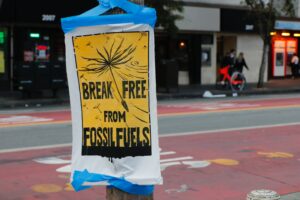
To phase out fossil fuels, the first step is to allow no new development of coal, oil and gas. That means no exploration, no new wells, mines, pipelines, refineries or power plants. We already have a massive amount of fossil fuel infrastructure, and it will take decades to phase out its use. The International Energy Agency has concluded that any new fossil fuel investments from now on would be incompatible with meeting internationally agreed-upon climate targets.
Another important aspect of the fossil fuel phaseout is to plug methane leaks associated with current and former coal, oil, and gas development. Plugging these leaks will save money, improve air quality, and stave off warming. We now have the technologies to find and eliminate these leaks.
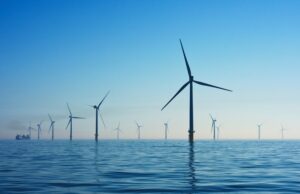
Second of our three major tasks is rapidly ramping up the deployment of clean, renewable energy. Contrary to a common misconception, we do not need an energy miracle, because we’ve already had one. Solar and wind are the fastest-growing new sources of energy we have. Their costs have plummeted, making them the least expensive options in most locations.
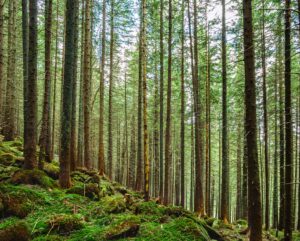
Third of our major tasks is protecting the world’s forests, which currently absorb about a third of the carbon dioxide our activities emit to the atmosphere. Tropical forests are especially at risk and still being cleared for agricultural uses including cattle ranching and soybean and palm oil production, and this must cease. We must recognize that maintaining these vital carbon sinks is of value to all life on Earth, and we must be willing to do whatever it takes to help protect them. Protecting forests will not only maintain their vital function as a carbon sink, it will also help preserve Indigenous cultures, biological diversity, endangered species, and clean air and water. We must also protect other natural ecosystems such as coastal wetlands and peatlands.
Global cooperation on these tasks could be transformative for humanity as we work together to protect our common home. If we can see beyond our divisions, we can take on this global challenge as we would if some outside force were inflicting it upon us. We are on a mission to protect a livable climate for ourselves and all living things. Phasing out fossil fuels, deploying clean energy, and protecting the world’s forests are essential for success.